
What is Osteopathy?
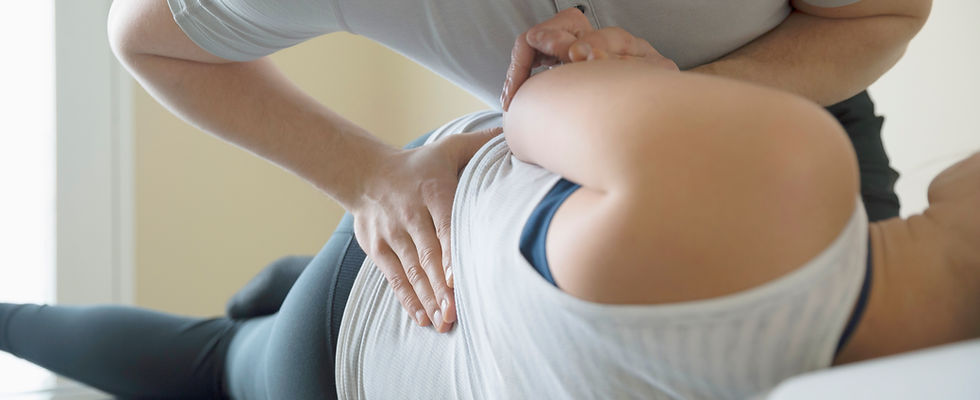
Osteopathy is a non-invasive therapy aiming to restore function. It was developed in the United States by Dr. A.T. Still in the early 19th century.
In the UK, all osteopaths undergo 4 to 5 years of training, which includes academic studies in anatomy, physiology, and pathology, alongside 1,000 hours of clinical practice.
Benefits of Osteopathy Treatments
Osteopathy is an effective treatment for a wide range of musculoskeletal issues, helping relieve pain and improve mobility. Recognised by the World Health Organisation (WHO) for its ability to treat pain, osteopathy benefits people of all ages.
At our Chiswick - Stamford Brook clinic, we provide osteopathy treatments for:
-
Acute and chronic back pain
-
Acute and chronic neck pain
-
Nerve-related Pain - Relief for trapped nerves (e.g., numbness, tingling, pins and needles in hands and feet)
-
Sciatica
-
Frozen Shoulder
-
Thoracic Outlet Syndrome
-
Axillary Web Syndrome (cording)
-
Joint pain, including arthritis
-
Posture-related problems - Solutions for workplace-related and everyday posture issues
-
Headaches and neuralgia
-
Tennis and golfer’s elbow
-
Plantar fasciitis
-
Sports injuries - Including runner’s knee (patellofemoral syndrome), shin splints, iliotibial band syndrome ... to speed up recovery and prevent re-injury.
Whether you're dealing with chronic pain, acute injuries, or posture issues, our osteopathy services aim to improve your well-being and relieve discomfort.
Osteopathic Techniques for Restoring Function and Enhancing Healing
We use a range of osteopathic techniques tailored to each patient’s diagnosis, medical history, and age to promote healing and restore function. These techniques include articulation, high-velocity low-amplitude (HVLA) (commonly associated with the “pop” sound). Each method requires advanced knowledge of physiology, anatomy, and biomechanics, along with excellent palpation skills.
Proven Osteopathic Techniques We Use for Effective Pain Relief and Recovery
-
Articulation Techniques aim to restore joint range of motion. Articulation techniques help to improve posture and joint health by helping the joint to move through its barriers using passive, progressive and gentle elongations. Mobilising the joint enhances the secretion and restore synovial fluid functions, thus reduce inflammation. Articulation techniques also help to reduce friction between cartilages and prevent joints’ degeneration.
-
Muscle Energy Technique (MET) is widely used among Osteopaths. MET is used to treat muscle restrictions and increase range of motion. This technique is particularly helpful in chronic conditions.
-
HVLA (High Velocity, Low Amplitude) techniques are often recognized by the popping or cracking sound they produce. Not all patients are eligible for HVLA; the decision is based on the patient’s age and medical history. Patient consent is required before using these techniques.
-
Various Massage Techniques:
-
Effleurage is a light pressure technique that enhances blood flow by dilating capillaries.
-
Petrissage loosens muscle fibers and promotes venous return by increasing blood flow in the capillaries.
-
Cross-fibre technique enhances the healing process by generating an analgesic effect on ligament and tendon injuries.
-
Compression allows capillary beds to empty and then refill during decompression, helping to drain toxins and waste toward the lymphatic system.
-
Friction plays an active role in different stages of the healing process by remodeling and breaking down scar tissue (adhesions) on tendons, ligaments, and muscles.
-
Myofascial/trigger point techniques relax muscles. In Asia, this technique is often applied along the lines of meridians.
-
References:
Barral, J.P., Corbier, A. (2016). New manual articular approach, lower extremities. The Barral Institute.
Davis, H.L., Alabed, S., Ainsley Chico, T.J. (2019). Effect of sports massage on performance and recovery: a systematic review and meta-analysis. Open Sport & Exercise Medicine 6(1):e000614 DOI:10.1136/bmjsem-2019-000614
Fernádez-de-las-Peñas, C., Cleland J.A., Dommerholt, J. (2016). Manual therapy for musculoskeletal pain syndromes. An evidence and clinical informed approach. Elsvier.
Hartman, L. (1997). Handbook of osteopathic techniques. 3rd Edition. Cengage Learning.
Lee, S.J., Yoo, J.J., Atala, A. (2016). In Situ Tissue Regeneration: Host Cell Recruitment and Biomaterial Design. Elsiver Medical News Today. (2024). Everything you need to know about osteopathy. Online. Available at: https://www.medicalnewstoday.com/articles/70381#uses
Physiopedia. (2024). Friction and its Application. Online. Available at: https://www.physio-pedia.com/Friction_and_its_Application
Rattray, F., Ludwig, L. (2005). Clinical massage therapy. Understanding, assessing and treating over 70 conditions. Talus incorporated.
Tortora, G. & Derrickson, B. (2017). Principles of anatomy & physiology. 15th edn. USA: Willey.